March 23, 2026
Transforming the exterior of a home is one of the most effective ways to enhance both appearance and long-term structural performance. Many homeowners considering an upgrade explore the option of applying stucco over siding, a method known for delivering a clean, modern finish while boosting protection against the elements. As more properties age and exterior materials begin to show wear, interest in this technique continues to grow among those seeking durability without a complete tear-off. Stucco’s insulating capabilities, design versatility, and long lifespan make it especially appealing for homeowners searching for a lasting improvement. By understanding the process, benefits, and important considerations involved, you can determine whether this approach aligns with your home’s unique needs and long-term exterior goals.
Considering a New Exterior Upgrade
Explore the idea of applying stucco over siding, a renovation method capable of transforming your home’s exterior with improved durability, visual appeal, and energy performance. Many homeowners turn to stucco as a long-term solution to enhance insulation, reduce maintenance needs, and elevate overall curb appeal. While traditional siding materials can show wear over time, stucco provides a uniform, solid finish that modernizes older structures. However, it is important to understand the full spectrum of benefits and challenges before moving forward. By examining key performance factors, climate considerations, and installation methods, you can determine whether this approach aligns with your home improvement goals and long-term expectations.
In addition to its aesthetic and functional advantages, the decision to apply stucco over siding must also account for the condition of the existing exterior and the expertise required for proper installation. Because stucco becomes a permanent part of the home’s envelope, the underlying surface must be stable, well-prepared, and capable of supporting the added weight. Professional assessment helps identify any structural concerns, moisture risks, or repair needs before application begins. Taking these steps ensures that the finished result is not only visually appealing but also durable, weather-resistant, and able to perform effectively for decades.
What Stucco Is and How It Works
Stucco is a centuries-old material consisting of sand, cement, lime, and water, designed to create a strong protective layer once applied and cured. Its historical use spans numerous architectural styles, from ancient Mediterranean structures to modern suburban homes, showcasing its adaptability and longevity. Over time, stucco formulations have evolved, becoming more flexible and resistant to environmental impacts. Today’s blends incorporate acrylics and fibers that enhance durability without compromising aesthetics. Whether homeowners prefer a smooth, sleek finish or a textured, rustic look, stucco offers endless design versatility. For those considering stucco over siding, understanding the material's composition helps clarify why it remains a popular choice for exterior transformation.
Why Many Homeowners Choose Stucco for Exterior Improvements
A major appeal of applying stucco over siding is the dramatic enhancement it can bring to a home’s exterior. Stucco provides numerous texture and finish options that effortlessly elevate curb appeal, covering imperfections in aged siding and giving a fresh, cohesive appearance. Beyond aesthetics, stucco contributes significantly to energy efficiency by creating an extra insulating layer that helps regulate indoor temperatures. This thermal benefit can reduce heating and cooling demands while also minimizing sound transmission for a quieter interior environment. Stucco’s inherent durability further strengthens its value, offering long-lasting protection against wind, rain, and temperature fluctuations. With minimal maintenance requirements compared to materials like wood, stucco becomes an attractive option for homeowners looking for longevity and performance without constant upkeep.
Key Challenges and Costs to Consider
Despite its advantages, applying stucco over siding requires thoughtful evaluation of potential challenges. Stucco can be prone to cracking in areas with significant temperature swings or high moisture levels, making proper installation essential. Minor cracks can lead to moisture intrusion, so regular inspections and timely repairs help maintain long-term performance. Costs also vary depending on home size, labor needs, and preparation work. According to HomeAdvisor, labor for stucco siding installation typically ranges from $1 to $3 per square foot, and additional expenses arise from moisture barriers, lath installation, and surface preparation. Another important consideration is the condition of the existing siding. If the underlying material has rot, gaps, or structural weakness, these issues must be resolved before applying stucco to ensure a stable and lasting finish. While DIY approaches appeal to budget-conscious homeowners, the precision required for stucco application often makes professional installation the safer and more reliable choice.
Climate and Environmental Suitability
Climate plays a large role in determining whether stucco over siding is a suitable long-term solution. In humid regions, moisture control becomes critical. Modern stucco systems include vapor barriers and advanced sealants to prevent mold growth and moisture absorption, but ongoing maintenance remains essential. Cold climates present freeze-thaw challenges that can cause expansion and contraction, potentially leading to cracking. Fortunately, newer acrylic stucco mixtures incorporate additives that increase flexibility and reduce vulnerability to temperature fluctuations. Arid and hot regions often benefit the most from stucco due to its ability to withstand intense sun exposure while reflecting heat and helping lower cooling demands. Homes in seismic zones also require thoughtful stucco installation, including reinforcement mesh and flexible application methods to accommodate movement. Coastal environments add exposure to salt and moisture, making sealants and surface protection vital. With proper planning and professional guidance, stucco can perform reliably across a wide range of climates.
How the Stucco Application Process Works
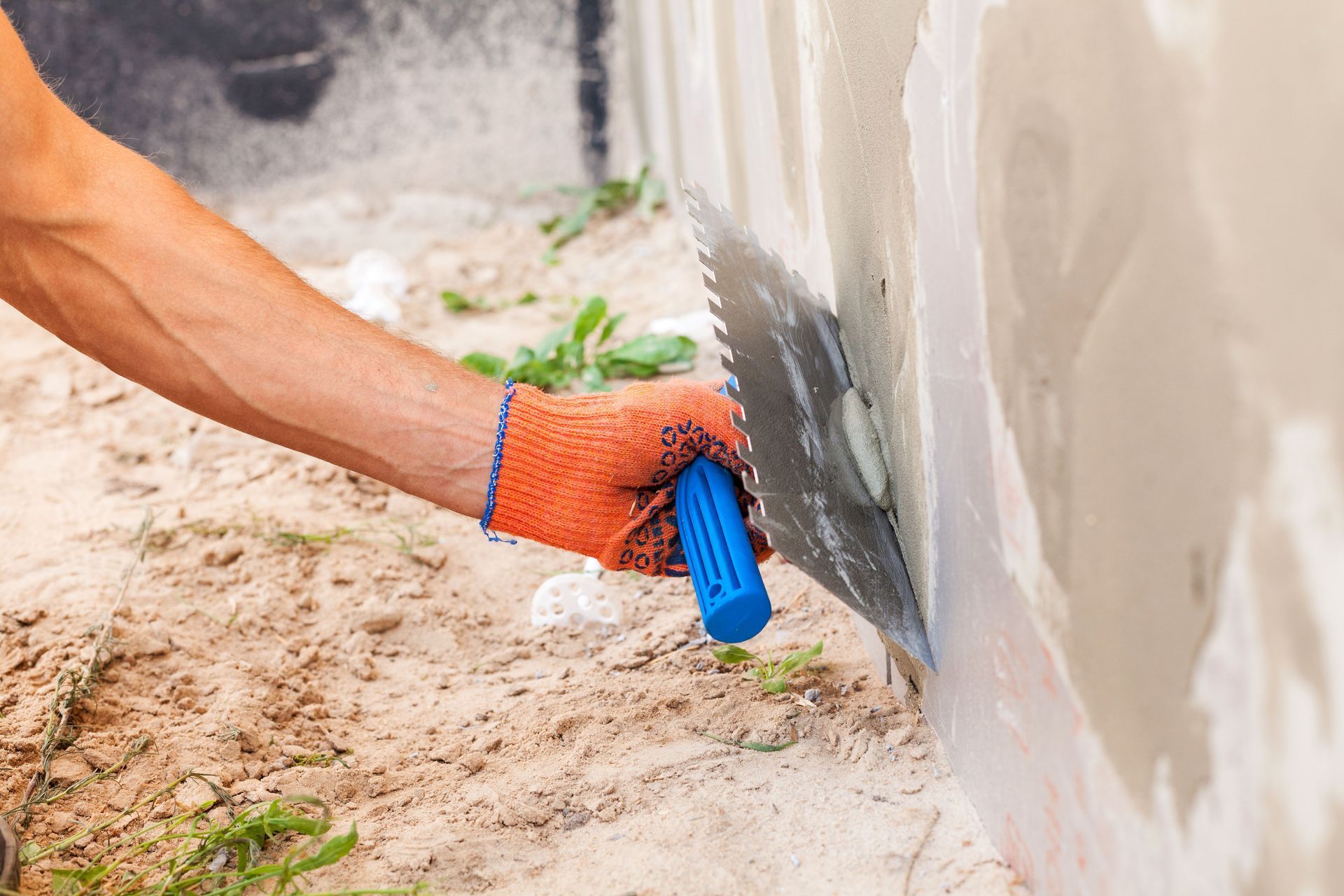
The stucco application process involves several stages that collectively ensure durability, structural stability, and aesthetic quality. Preparation begins with a full inspection of the existing siding to identify weaknesses or moisture damage that must be corrected before installation. Once repaired and cleaned, contractors install a lath system and moisture barrier to create a secure foundation for the stucco. The first stucco layer, called the scratch coat, forms the base texture needed for the subsequent layers to adhere properly. After curing, the brown coat adds thickness and levels the surface, creating a smooth, even plane. The finish coat is where design preferences come to life, offering choices in color and texture that match the homeowner’s style. This multi-step procedure requires precision and sufficient curing time between layers to prevent cracking, moisture problems, or structural weaknesses. When installed correctly, this process results in a long-lasting, attractive exterior suited for almost any home.
Determining Whether Stucco Over Siding Is Right for Your Home
Assessing whether stucco over siding is the right option requires evaluating your home’s existing condition, long-term design goals, and budget. A professional inspection ensures the underlying structure can support the additional weight and identifies repairs needed before installation. Aesthetically, stucco should complement your home’s architectural style while aligning with your overall renovation objectives. Budget planning must account not only for initial installation but also for occasional maintenance—though minimal—such as surface inspections and small repairs. Seeking guidance from experienced contractors provides valuable insight into cost expectations, necessary permits, and design recommendations. Homeowners may also benefit from reviewing real-world examples and case studies to visualize potential outcomes and gain confidence in their decision. When approached with clear goals and accurate information, stucco offers a substantial opportunity to upgrade your home’s performance, appearance, and long-term value.
Choosing stucco over siding can greatly enhance your home’s durability, energy efficiency, and aesthetic appeal, but proper planning and professional evaluation are essential. The material’s ability to modernize an exterior, reduce maintenance needs, and provide long-lasting protection makes it an appealing option for many homeowners. However, climate factors, structural conditions, and installation quality must all be considered to ensure a successful outcome. According to HomeAdvisor, labor costs for stucco installation typically range from $1 to $3 per square foot, offering homeowners a clear benchmark when planning their budget. If you’re considering this transformation and want reliable expertise, contact Quality Stucco & Stone today to discuss the best approach for upgrading your home’s exterior.