October 22, 2026
Exterior finishes play a fundamental role in protecting a building against environmental degradation while maintaining its visual character over time. Modern property managers, home builders, and commercial developers frequently evaluate structural cladding options to find the optimal balance between initial capital costs, ongoing maintenance requirements, and overall service life.
A reliable exterior envelope must withstand varying atmospheric conditions, resist wind-driven rain, and offer consistent thermal mass without requiring continuous surface remediation. Selecting the appropriate structural coating involves understanding material science, moisture management strategies, and professional application methodologies. Through advanced formulations and proven techniques, contemporary exterior wall applications provide robust defense mechanisms against severe weather events, structural expansion, and physical impacts.
The structural integrity of any building depends significantly on how well its outer shell prevents moisture infiltration while permitting internal vapor to escape. When evaluating long-term performance, property owners often turn to specialized exterior specialists to ensure their building envelopes are installed according to rigorous industry specifications.
Working with licensed stucco contractors ensures that every coat, from the initial substrate preparation to the final decorative texture, is applied with precision and attention to proper curing times. Proper installation drastically reduces the risk of water entrapment, sub-surface rot, and thermal transfer issues.
Applying Traditional Three-Coat Systems for Maximum Structural Integrity
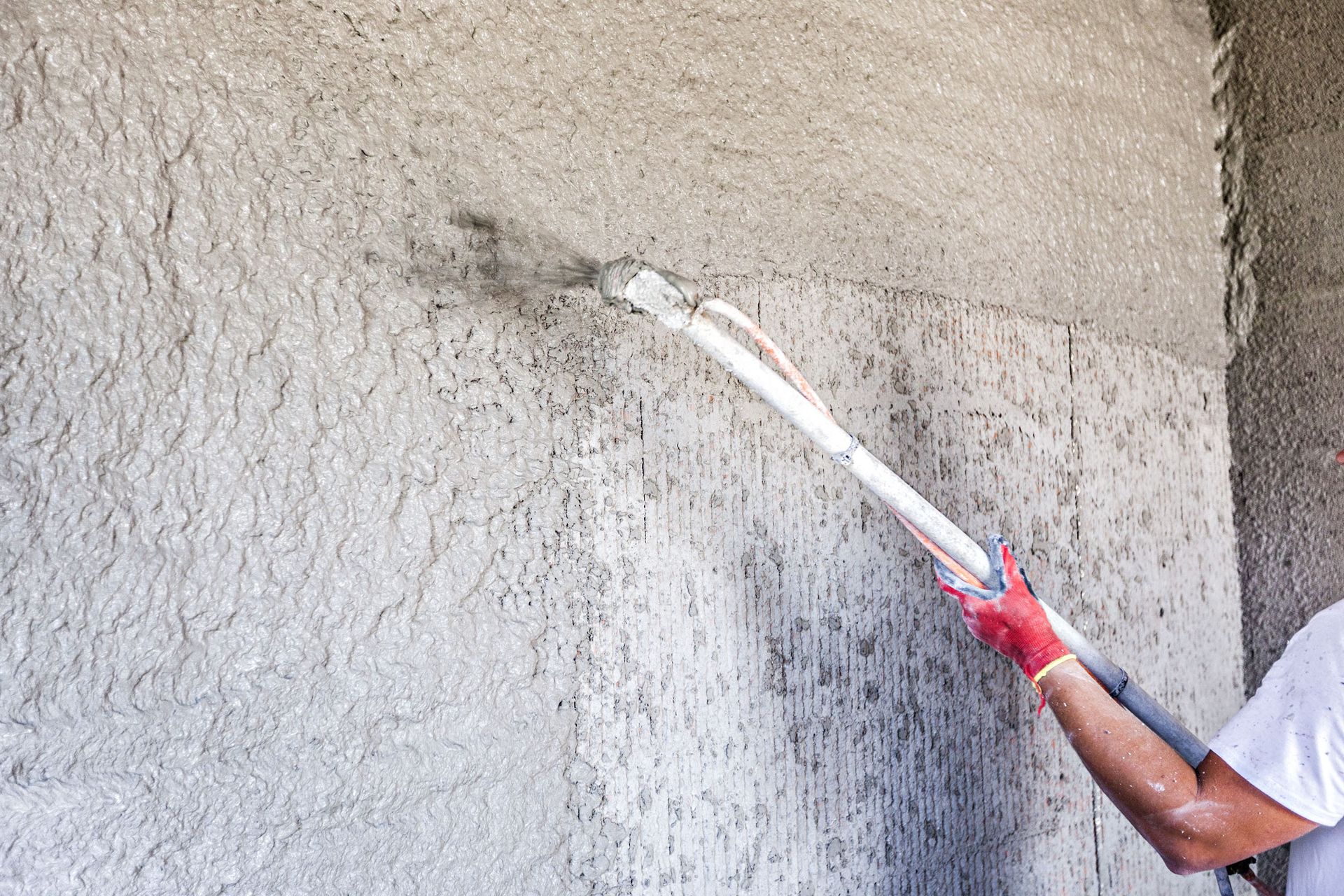
Traditional three-coat exterior application methods represent a classic standard in continuous cladding, offering exceptional durability and impact resistance across various architectural designs. This time-tested approach utilizes three distinct layers: a scratch coat applied over a metal lath, a brown coat designed to level and strengthen the plane, and a finish coat that establishes the visual texture and color.
Stucco has been a staple in construction for centuries, renowned for its durability and aesthetic appeal. Originating in ancient civilizations, it was used as early as 1,400 BC in Greece, according to Britannica. Modern stucco services continue to build on this rich history, providing a versatile choice for enhancing the durability of building exteriors. By adapting its composition and application techniques, stucco remains a popular choice for architects and builders.
The installation sequence demands exact proportioning of sand, water, and binding agents to ensure optimal structural bonds between layers. Professional stucco contractors bring the field expertise needed to gauge environmental conditions like humidity and ambient temperature during the curing process. Improperly cured base coats can develop micro-fractures that compromise the water resistance of the entire exterior wall system.
Experienced installation crews carefully monitor moisture levels and surface hydration throughout the multi-day curing period. This rigorous process creates a solid, stone-like shell that naturally resists physical wear, structural shifting, and fire exposure. Selecting a high-density three-coat system provides a robust protective shield for buildings located in environments prone to high winds or mechanical stress.
Evaluating Modern Synthetic Mixtures to Enhance Envelope Flexibility
Innovations in material science have led to the creation of advanced synthetic and acrylic-based exterior finishes designed to complement traditional cementitious applications. Modern synthetic formulations incorporate specialized polymers and acrylic resins that significantly enhance tensile strength, color retention, and elastic performance.
These modern coatings accommodate subtle structural shifts and thermal expansion cycles without developing the hairline fractures common in rigid plaster applications. The synthetic topcoat creates an extremely hydrophobic barrier that sheds surface water effectively while offering a wide spectrum of long-lasting, uniform color options. Architectural designs featuring non-traditional shapes or flexible framing materials derive immense performance benefits from these continuous, elastomeric finishing layers.
Applying synthetic products requires precise knowledge of base coat compatibility, drying schedules, and modern moisture barrier technology. Qualified stucco contractors select specific polymer-modified bases that align with the regional climate and physical demands of the target structure. Proper integration of continuous insulation panels beneath the finish coat further optimizes the thermal profile of the building exterior, reducing energy requirements year-round.
These continuous insulation systems minimize thermal bridging across structural studs, creating a uniform thermal barrier. While synthetic options present distinct handling characteristics compared to heavy plaster, their lighter dead load and crack-resistant properties make them exceptionally suitable for retrofitting older commercial properties and modern multi-story residential structures.
Protecting Structural Components Through Advanced Moisture Management
Water intrusion represents the single greatest threat to the longevity of exterior wall assemblies, potentially causing concealed framing rot and internal mold development. A complete exterior system relies on integrated drainage planes, self-adhering flashing membranes, and weep screeds to manage incidental water that penetrates the outer skin.
Modern moisture management strategies assume that small amounts of water may cross the outer surface over time, making dedicated drainage channels and weather-resistant barriers crucial components of the wall assembly. Proper placement of counter-flashing around doors, windows, and roof intersections directs moisture safely downward and away from vulnerable interior framing components.
Installing an effective moisture mitigation assembly demands meticulous attention to detail at every joint, seam, and wall penetration. Experienced stucco contractors understand how to sequence weather-resistant barriers with window flanges and floor-line expansion joints to prevent moisture traps.
By ensuring that weep screeds remain clear of soil or solid paving at the foundation line, installers allow accumulated water to drain freely from the drainage cavity. These critical installation standards prevent moisture accumulation within wood framing or metal studs, preserving structural integrity for decades. Comprehensive moisture management protocols safeguard the property investment while maintaining safe indoor air quality for building occupants.
Enhancing Thermal Performance with Integrated Exterior Insulation Systems
Building envelope efficiency directly impacts long-term operational expenditures, making energy-efficient wall assemblies a priority for contemporary real estate developers. Incorporating expanded polystyrene or extruded polystyrene boards beneath exterior render coats creates a continuous insulating layer that drastically minimizes energy loss.
This approach eliminates thermal bridging, a phenomenon where heat transfers rapidly through structural studs, fasteners, and solid headers. Combining thermal insulation boards with continuous weather-resistant barriers creates a tight, highly efficient outer shell that lowers heating and cooling demands across all seasons.
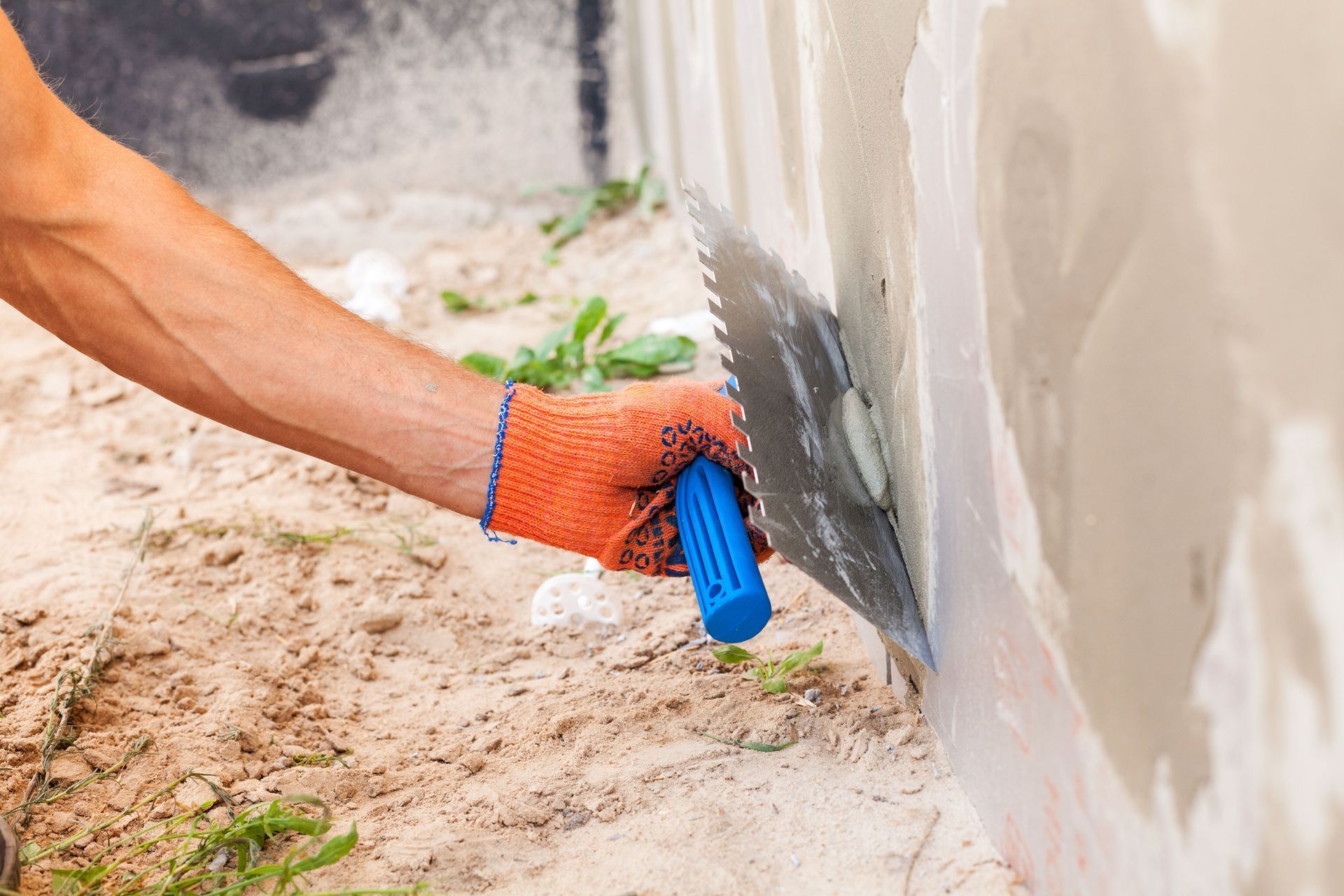
Executing continuous exterior insulation requires careful engineering regarding fastener spacing, wind uplift resistance, and window transition details. Licensed stucco contractors install these composite insulation systems using approved adhesive mortars and mechanical fasteners to ensure full structural attachment to the primary substrate.
Specialty mesh layers embedded within polymer base coats provide the structural strength necessary to withstand physical impacts along ground-floor elevations. Enhancing a facility with continuous insulation lowers ambient noise transfer from busy streets while simultaneously decreasing peak energy consumption. This sustainable approach to exterior design delivers measurable operational savings over the life of the building.
Performing Regular Maintenance Inspections to Extend Surface Longevity
Preventative maintenance represents the most reliable strategy for preserving exterior render finishes and preventing localized surface defects from escalating into systemic failures. Routine inspections focus on detecting hairline surface cracks, assessing the condition of flexible window sealants, and checking for signs of efflorescence or localized staining.
Addressing minor stress cracks early using compatible elastomeric sealants prevents water from penetrating behind the protective shell during heavy rainstorms. Maintaining clear drainage paths along foundation weep screeds prevents ground moisture from wicking upward into the wall system.
Engaging qualified maintenance technicians ensures that subtle signs of stress are identified before significant structural degradation occurs. Knowledgeable stucco contractors can identify whether surface cracking stems from normal material curing, building settling, or underlying structural movement.
Professional repair teams utilize specialized color-matching systems and compatible repair mortars to restore compromised sections without leaving visible patches. Periodically washing exterior surfaces with low-pressure water rinses removes airborne pollutants, organic soils, and salt deposits that can compromise the visual finish.
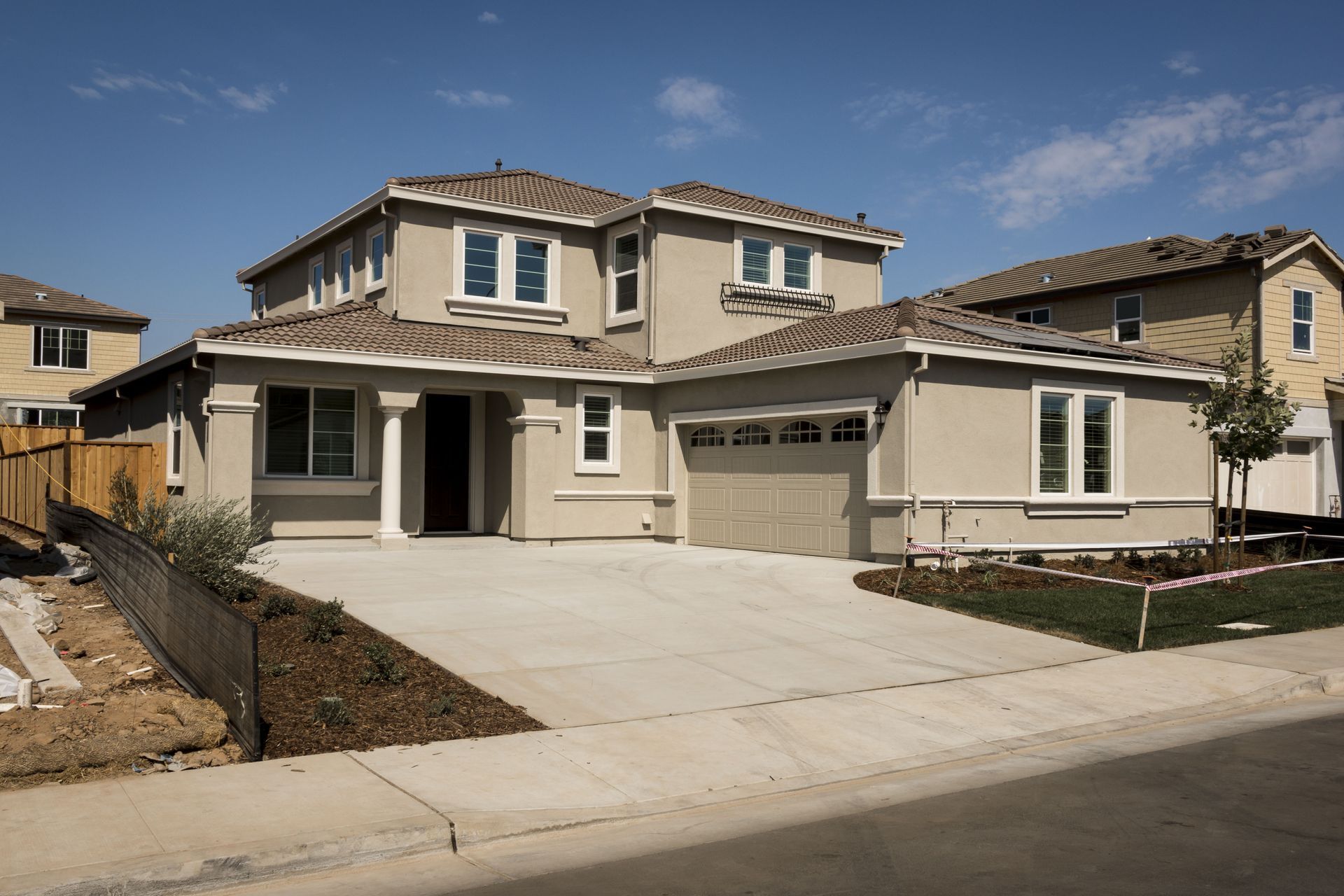
Investing in professional exterior finishing solutions provides unmatched durability, thermal control, and weather protection for both residential and commercial structures. Proper substrate preparation, accurate material mixing, and professional moisture management are vital elements in establishing a continuous protective shell around a building.
Working with certified stucco contractors guarantees that every application step meets stringent building code requirements and regional engineering standards. Property owners who prioritize quality materials and professional installation methods benefit from reduced long-term maintenance costs, improved energy performance, and enduring visual value.
To safeguard your architectural investment and ensure long-lasting structural defense, contact Quality Stucco & Stone today to consult with experienced exterior wall specialists for your next construction or restoration project.